budget paving stones vs luxury alternatives what to know
Paving stones can significantly enhance the aesthetics and functionality of your outdoor space. However, when it comes to choosing the right type of paving stones, the decision often boils down to budget considerations. In 2026, the market offers a variety of options ranging from budget paving stones to luxury alternatives, each with its unique benefits and drawbacks. Let's delve into what you need to know about these choices.
Understanding Budget Paving Stones
Budget paving stones are primarily made from concrete or other cost-effective materials. They are popular for their affordability and practicality, making them a go-to option for many homeowners. Typically, these stones can be found in a wide array of shapes, sizes, and colours, allowing for versatile design possibilities.
One of the most significant advantages of budget paving stones is their lower initial cost. They are usually easier to install as well, which can further reduce overall expenses if you choose to undertake a DIY project. However, while they are economical, it is essential to consider their longevity and maintenance requirements. Budget stones may not withstand harsh weather conditions as well as their luxury counterparts, potentially leading to higher long-term costs.
Exploring Luxury Paving Stones
Luxury paving stones often comprise natural materials such as granite, limestone, or slate, providing a stunning look that can elevate any outdoor area. These stones are characterised by their durability and unique aesthetic properties, offering a level of elegance that budget options cannot match.
People Also Look For:
- Famgoods Solar Lights Outdoor Garden, 8 Pack Solar Ground Lights IP68 Waterproof, 8 LED Warm White Path Lighting for Patio, Yard, ...
- Crack Weeder Pavement Weed Remover Tool Stainless Steel Hand Weeding Tools for Garden Weed Moss Root Lawn Edger Tool Patio Paving ...
- 12 Inches Heavy Duty Wire Broom with Metal Scraper and Long Wooden Handle - Yard Brush Garden Outdoor Broom Sweeping Brush Patio &...
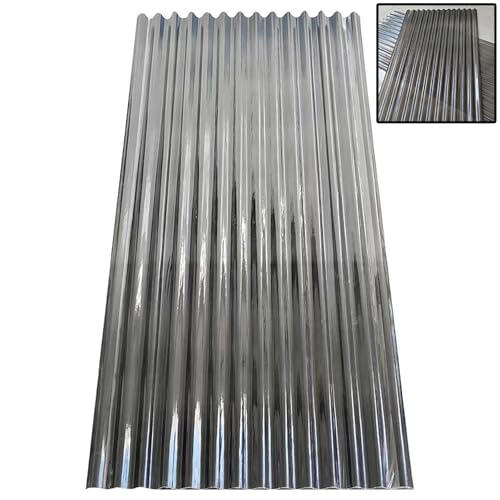
- Corrugated Fiberglass Roofing Sheets - Lightweight, Durable, Easy Installation for Greenhouses, Cladding, Walling
- Amari Bargains Plastic Interlocking Garden Tile - Anti Slip Decking Tiles - Tiles For Walkaway Floor Tiles, Patio - Non Slip Water...
The longevity of luxury stones is one of their most appealing features. They can endure extreme weather conditions without significant wear and tear. Additionally, luxury stones often require less maintenance, as they are less prone to chipping or fading over time. This can make them a more cost-effective choice in the long run, especially when considering the value they add to your property.
Comparing Costs and Installation
When comparing costs, it is crucial to factor in both the initial investment and the potential long-term expenses. Budget paving stones may seem attractive at first glance due to their lower price, but if they require frequent replacement or extensive maintenance, the overall financial implications can add up.
Installation costs can also vary significantly between budget and luxury options. Budget stones are often lightweight and easier to handle, which can result in lower labour costs or ease of self-installation. On the other hand, luxury stones may require professional installation, particularly if they are heavy and need precise alignment. This can increase your upfront costs but may save you from future headaches associated with improper installation.
Aesthetic Appeal and Design Versatility
Aesthetics play a significant role in the decision-making process. Budget paving stones often come in standard designs and colours, which may limit creative expression. Conversely, luxury paving stones offer a vast array of textures and colours, allowing homeowners to create unique and personalised outdoor environments.
Natural stones can also complement various architectural styles, enhancing the overall look of your home. Whether you are aiming for a rustic charm or a modern finish, luxury stones provide options that can make your outdoor space truly stand out.
Environmental Considerations
In recent years, environmental sustainability has become a crucial factor for many homeowners. Budget paving stones, particularly those made from concrete, can have a larger carbon footprint compared to natural luxury stones. Natural stones are often quarried with less environmental impact and can be recycled at the end of their life cycle.
Choosing luxury options made from sustainable sources can also contribute positively to your home's environmental footprint. Look for suppliers who prioritise eco-friendly practices when sourcing their materials.