expert tips for maintaining paving stones in changing weather
Paving stones are a beautiful and durable addition to any outdoor space, but they require proper maintenance to withstand the varying weather conditions we experience throughout the year. In 2026, as climate patterns continue to shift, it is crucial to adopt effective strategies to ensure your paving stones remain in excellent condition. Here are expert recommendations for maintaining your paving stones across changing weather.
Regular Cleaning
Keeping your paving stones clean is essential for their longevity. Debris like leaves, dirt, and algae can accumulate over time, leading to stains and potential damage. Use a stiff-bristled broom to remove loose debris regularly. For deeper cleaning, consider using a pressure washer with a low setting to avoid damaging the stones. If you notice any stains, a mixture of warm water and mild detergent can work wonders. Be sure to rinse thoroughly to eliminate any soap residue.
Sealing Your Paving Stones
Sealing your paving stones is one of the best ways to protect them from weather-related damage. A high-quality sealant can help prevent water penetration, which can lead to cracking and shifting during freeze-thaw cycles. For best results, choose a sealant that is breathable to allow moisture to escape. Apply sealant every few years or as recommended by the manufacturer, focusing on periods of dry weather for optimal adhesion.
People Also Look For:
- Garden Stepping Stones, 4pcs Paving Slabs with Ground Stakes Polypropylene Resin Round Step Stones with Ground Stakes for Outdoor ...
- EASYSeal - Porcelain Sealer. Ready to Use Tile & Paving Sealant. 3L Tile Sealer for Floor, Wall, Paths & Patio. Waterproof Porcela...
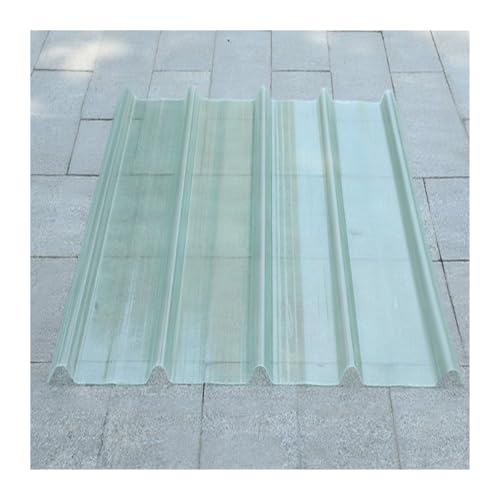
- UV Resistant Clear Roof Sheets 2mm CorrugatedDaylighting Plates for Carport & Greenhouse Insulation Cladding Walling Sheeting (0.9...
- Driveways, Paths and Patios: A Complete Guide to Design, Management And Construction
- BLOSTM Trowel Set 5 Piece - Brick Jointer, Pointing Tool, Gauging Trowel, Plastering Trowel - Made of Durable Carbon Steel - Build...
Weed Control
Weeds can thrive in the joints between paving stones, particularly in wet conditions. To prevent weeds from taking hold, apply a layer of polymeric sand in the joints. This type of sand hardens when wet, creating a barrier against weeds. Alternatively, regular hand weeding or using a suitable herbicide can help keep your paving area tidy. Be cautious when using chemical treatments, ensuring they are safe for the environment and any surrounding plants.
Addressing Drainage Issues
Proper drainage is vital for maintaining paving stones, especially during heavy rainfall. Ensure that your paving stones are installed with a slight gradient away from your home and any structures to prevent water pooling. If you notice water accumulating, consider installing drainage channels or adjusting the landscape to direct water flow away from the area. Regularly check for blockages in drainage systems to prevent water damage.
Protecting Against Winter Weather
Winter can be particularly harsh on paving stones. To protect your stones, consider using a snow shovel instead of a metal plough, which can scratch the stones. Avoid using rock salt for de-icing, as it can be harmful to the stone surface. Instead, opt for sand or a calcium chloride-based product that is safer for paving stones. Monitor the joints for any signs of erosion or damage during the winter months and repair as needed.
Summer Maintenance
During the summer, paving stones can be affected by high temperatures and UV exposure. To mitigate this, consider periodic inspections to check for cracks or discolouration. If you notice fading, a UV-resistant sealant can help protect against sun damage. Additionally, ensure that any furniture or decorations placed on the paving stones are moved periodically to prevent uneven wear.
Periodic Inspections
Regular inspections are key to identifying potential issues before they become significant problems. Take the time to examine your paving stones at least twice a year, looking for cracks, shifting stones, or signs of wear. Early detection can save you time and money by preventing larger repairs in the future.